
De-escalation Techniques in Care Settings: A Practical Guide for Staff
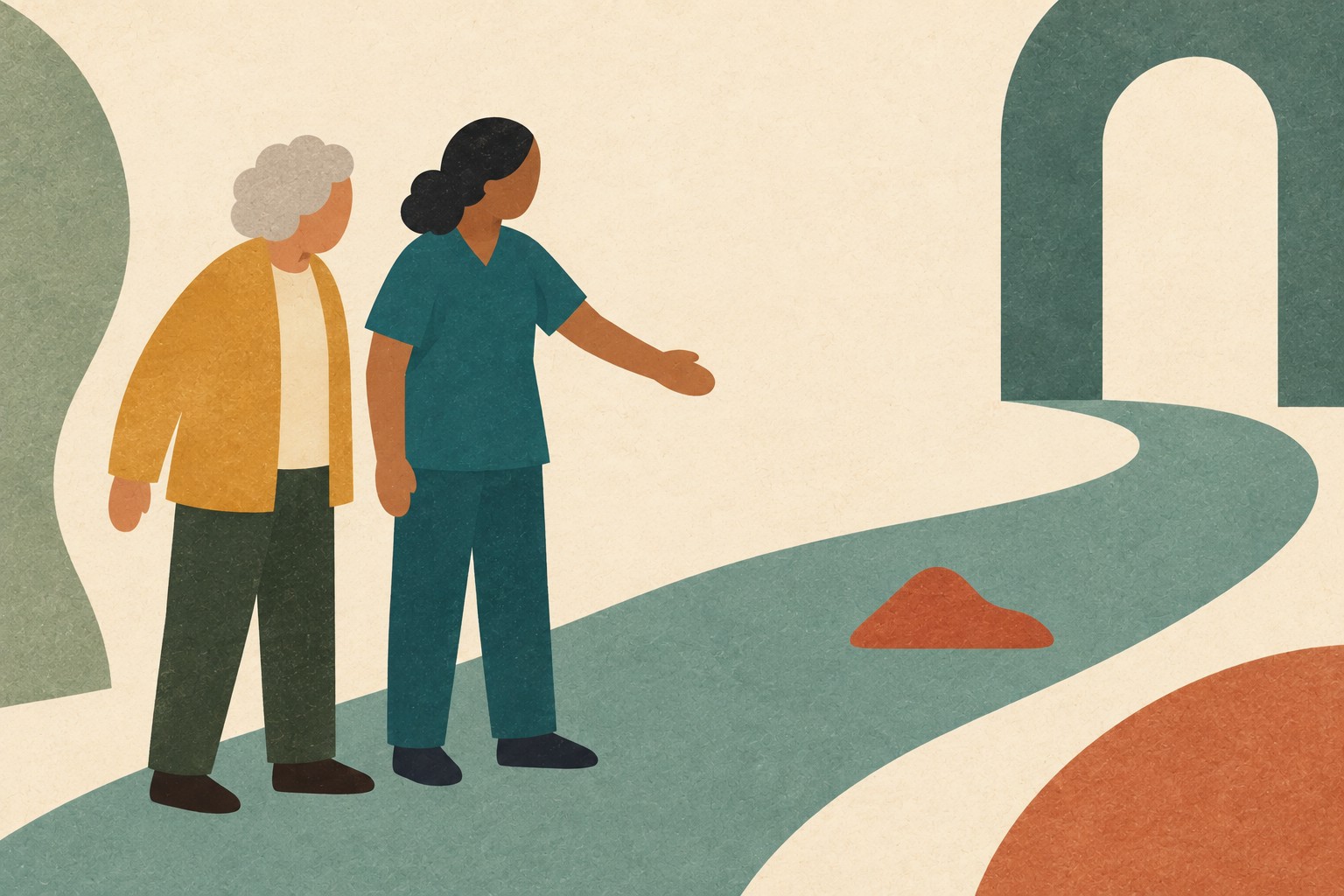
De-escalation is not simply about speaking quietly or asking someone to calm down. It is a skilled, person-centred process that helps staff recognise rising distress, reduce avoidable pressure and create the best possible conditions for everyone to move towards safety. In care settings, difficult situations rarely appear without context. A person may be frightened, in pain, confused, overwhelmed by noise, struggling to communicate, responding to trauma or feeling that control has been taken away from them. Behaviour that looks confrontational may be an attempt to express an unmet need. Effective de-escalation starts with curiosity rather than judgement. It also depends on staff having the confidence to notice when an approach is helping, when it is making matters worse and when the situation has moved beyond what communication alone can safely manage. At SLC Training, we help care teams develop practical skills in communication, conflict management, dynamic risk assessment and safer responses to behaviour that challenges. Please note: This article provides general information, not legal, clinical or case-specific advice. Staff should follow their organisation’s policies, care plans, safeguarding arrangements and emergency procedures, as well as the law and guidance that apply to their setting. De-escalation uses verbal and non-verbal communication, environmental changes and proportionate safety measures to reduce the intensity of conflict, agitation or distress. Its immediate aim is not to win an argument or force instant compliance. It is to lower arousal, protect dignity and reduce the likelihood of harm. A good outcome may be a calm conversation, an agreed pause, a move to a quieter space or a safe handover to another member of staff. The Health and Safety Executive’s guidance for health and social care identifies warning-sign recognition, interpersonal skills, de-escalation, local control measures and incident reporting as important parts of training for managing challenging behaviour. De-escalation should be part of a wider system. Staffing, care planning, the physical environment, leadership, reporting and post-incident learning all affect whether staff can use these skills effectively. The earlier staff notice a change, the more options they usually have. Warning signs will differ between individuals, but may include: These signs are not proof that somebody will become aggressive. They are prompts to pay attention, check what has changed and respond in a way that reflects the person’s communication style, history, needs and preferences. Where a person has recurring episodes of distress, early indicators and helpful responses should be recorded in an individual plan. That plan should be developed with the person and, where appropriate, people who know them well. 1. Regulate your own response first People often notice tension in a staff member’s face, voice and movements before they process the words being used. Slow down, breathe, keep your tone even and avoid sudden gestures. A calm presentation does not mean ignoring risk; it helps you assess it more clearly. 2. Respect personal space and keep the environment safe Avoid crowding the person or blocking their route unless an immediate danger and a lawful response make this unavoidable. Position yourself so you can communicate without appearing confrontational. Reduce noise, move unnecessary onlookers away and make sure support can be summoned if required. 3. Use clear, simple language When somebody is highly distressed, long explanations and multiple instructions can add pressure. Use short sentences, one point at a time and a steady pace. Allow additional processing time, particularly where the person has a learning disability, autism, dementia, a brain injury, communication difficulty or high anxiety. 4. Listen for the need behind the words Active listening is more than staying silent. Reflect the central concern in plain language: “You’re worried that nobody has explained what happens next.” This shows that the message has been heard without requiring staff to agree with threats, abuse or an inaccurate account. 5. Acknowledge feelings without making unsafe promises Validation can reduce the need for a person to repeat or intensify their message. Phrases such as “I can see this has been frustrating” or “You want some space” may help. Avoid promises you cannot keep. Trust can be damaged quickly when an offer is withdrawn or a timescale is unrealistic. 6. Offer limited, realistic choices Distress often increases when a person feels powerless. Offer two or three safe options that staff can genuinely deliver: “Would you prefer to talk here or in the quieter room?” Choice should restore some control, not disguise a demand. 7. Set boundaries calmly and respectfully Staff do not have to accept abuse or unsafe behaviour. Explain the boundary, the reason and the available alternative without threats or humiliation: “I want to help, but I need us to step back from the doorway so everyone has space.” Keep the focus on the immediate behaviour and safety, not the person’s character. 8. Know when to pause, hand over or activate support Repeating the same approach can increase frustration. A different staff member, a short pause or less verbal input may be more effective. If the risk is rising, follow the care plan and local emergency procedure. De-escalation should never delay urgent action where someone faces an immediate risk of serious harm. Even well-intentioned responses can escalate a situation. Common mistakes include: De-escalation is not a script that guarantees a particular response. It is a flexible process informed by the individual, the environment and the changing level of risk. The best time to plan for distress is before a crisis. A useful individual plan may identify: Plans should remain current. A change in health, medication, living arrangements, relationships, staffing or routine may alter both the likelihood of distress and the response that is most helpful. Staff should continually assess whether the situation remains within their competence and whether the current approach is reducing or increasing risk. If communication is not working and the situation is becoming unsafe: The HSE advises employers to match response procedures, staffing and training to foreseeable risk. Its broader guidance on preventing violence and aggression at work also emphasises calm communication, personal space, empathy, alternatives and knowing when to follow emergency procedures. The end of the immediate conflict is the beginning of the learning process. Organisations should consider: A review should seek learning, not blame. If staff believe aggression is simply “part of the job”, lower-level incidents may go unreported and valuable warning patterns may be missed. Reading a list of techniques is useful, but it does not replace practice. Staff need opportunities to apply communication skills to realistic scenarios, receive feedback and understand how their own tone, positioning and decision-making affect an interaction. Training should be proportionate to the setting and the risks identified. It should include permanent, temporary, agency and ancillary staff who may encounter a difficult situation. It should also connect directly to local policies, individual plans, staffing arrangements, reporting systems and the limits of each person’s role. At SLC Training, our conflict management and physical intervention training can be tailored to children’s services, adult care, education and other organisations supporting vulnerable people. The focus is on prevention, person-centred communication, lawful decision-making and safer practice. What is the first step in de-escalating a situation? Start by checking immediate safety and regulating your own response. Observe what has changed, reduce avoidable pressure and use calm, simple communication. The right first step will depend on the person, the environment and the level of risk. Does validation mean agreeing with abusive or threatening behaviour? No. Staff can acknowledge a person’s feelings or concern without accepting abuse, agreeing with inaccurate statements or removing necessary boundaries. Validation communicates that the underlying message has been heard. Should staff always maintain eye contact? No. Eye contact can show attention for some people but feel threatening or uncomfortable for others. Staff should adapt their non-verbal communication to the person’s culture, needs, preferences and presentation. When should a manager review a de-escalation plan? Review it after a significant incident, when a pattern begins to emerge and whenever the person’s health, medication, environment, routine or support needs change. Reviews should also occur at the organisation’s scheduled intervals. Is de-escalation training enough where physical aggression is foreseeable? Not always. Training must reflect the risk assessment. Some teams may also need personal safety, breakaway or physical intervention training, supported by clear policies and competent leadership. Any physical response must remain lawful, necessary, proportionate and within the staff member’s training and role. De-escalation is most effective when it is part of everyday care rather than a technique reserved for emergencies. Teams that understand the people they support, communicate consistently, recognise early change and learn honestly from incidents have more opportunities to prevent crises. The aim is not to secure compliance at any cost. It is to protect safety, dignity and relationships while using the least restrictive effective response. SLC Training provides tailored conflict management, safeguarding and physical intervention programmes for care, education and support settings. Contact SLC Training to discuss a tailored programme for the people, risks and policies within your organisation.De-escalation Techniques in Care Settings: A Practical Guide for Staff
What is de-escalation?
Recognise escalation early
Eight practical de-escalation techniques for care staff
What staff should avoid during de-escalation
Build de-escalation into care planning
When de-escalation is not working
What should happen after an incident?
Why de-escalation training matters
Frequently asked questions
Conclusion: make de-escalation an everyday skill