
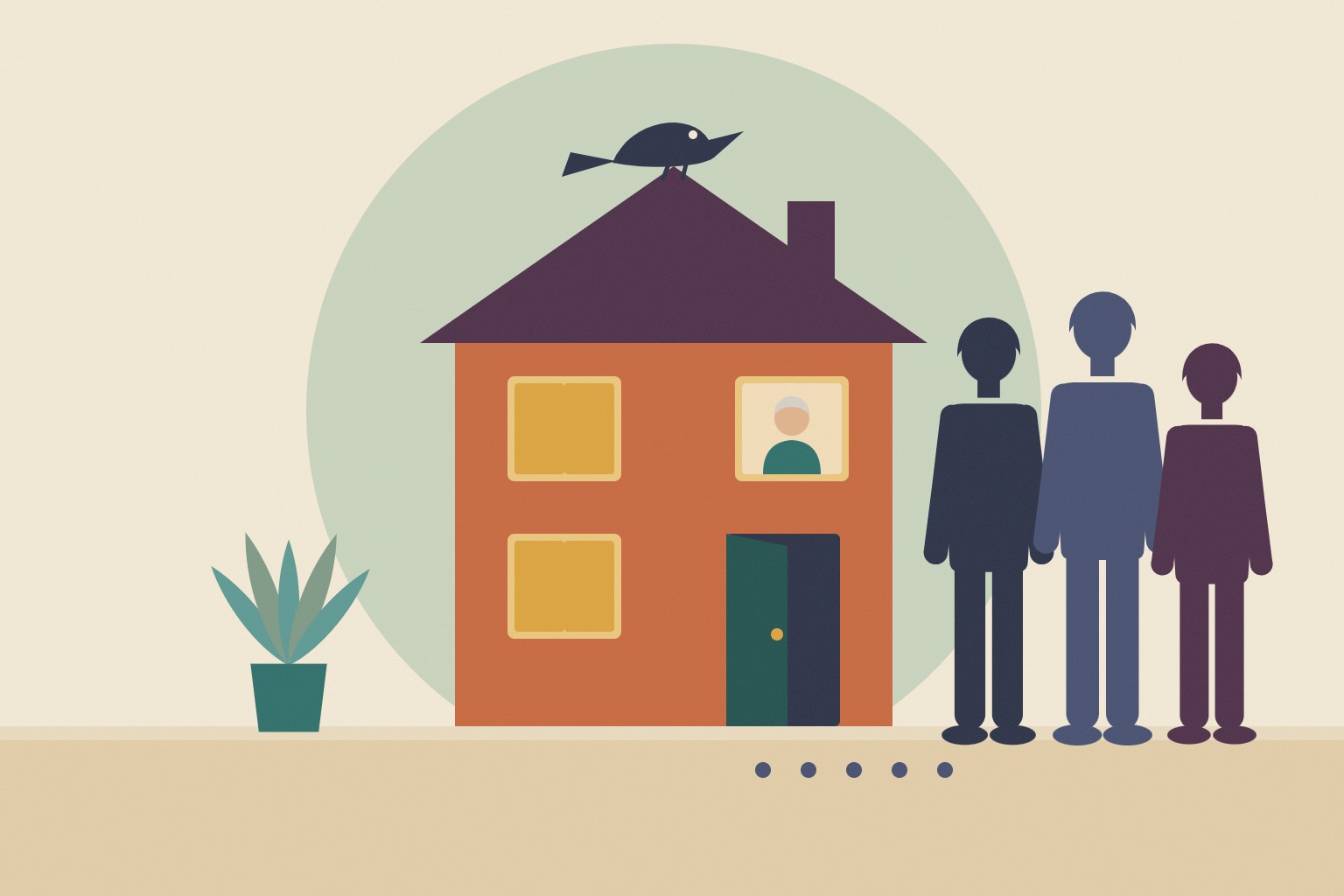
Cuckooing: How to Spot When an Adult's Home Has Been Taken Over
Cuckooing is when criminals take control of a vulnerable person's home and use it as a base for crime, most often drug dealing. The name comes from the cuckoo, which lays its eggs in other birds' nests.
Care and support staff are often among the few people who regularly visit someone's home. That puts them in a strong position to notice when something has changed, and to raise the alarm before the harm gets worse.
This guide covers who is targeted, the warning signs, the new cuckooing offence and how to respond safely.
Please note: This article provides general information, not legal or case-specific advice. Follow your organisation's safeguarding and lone working procedures. The scenario is a fictional learning example.
What is cuckooing?
Cuckooing happens when a person or group takes over someone's home without their genuine consent so it can be used for crime. It is closely linked to county lines drug dealing, but homes are also taken over for sexual exploitation and to store weapons.
It rarely starts with force. Perpetrators often befriend the person first, offering company, drugs, alcohol or money. Once they are inside, the “friendship” turns into control through threats, debts or violence.
The resident may end up sleeping on the sofa, staying away from home or being used to hold drugs or cash. Many are afraid to speak up, and some do not see themselves as victims.
Who is targeted?
Perpetrators look for people who are isolated or less able to resist. These include people who:
- have a learning disability or autism
- live with mental ill health
- use drugs or alcohol
- are older, frail or lonely
- have experienced homelessness or recently left care
- are in debt or living on a very low income
Many of the people care and support services work with fit this picture. Children and young people can also be drawn in, either as victims or to run drugs from the property. Our guide to child criminal exploitation and county lines explains those signs.
Warning signs
At the property:
- More visitors than usual, often at all hours and staying for short periods
- New people living there or refusing to leave when staff arrive
- Curtains kept closed, strong smells of cannabis or other drugs
- Drug paraphernalia, cash, new phones or weapons in the home
- Damage to doors or locks, or neighbours complaining about noise and antisocial behaviour
With the person:
- New “friends” they seem nervous around or cannot explain
- Staying elsewhere, or seeming afraid to go home
- Missing appointments, visits or medication
- Running out of money, food or gas and electricity
- Injuries, weight loss or signs of increased drug or alcohol use
- Being reluctant to let staff in, or someone else answering the door
What has changed in the law?
The Crime and Policing Act 2026 received Royal Assent on 29 April 2026. It creates a new standalone offence of controlling another person's home for criminal purposes, often called cuckooing.
A person commits the offence if they exercise control over someone else's home, to enable it to be used for specified crimes such as drug, sexual or weapons offences, and the resident does not consent. The maximum penalty is five years' imprisonment. Victims will automatically be eligible for special measures when giving evidence in court.
At the time of writing, the offence is not yet in force. The government has said it will commence it once statutory guidance is in place. Until then, police can still act using drugs, exploitation and other offences, and closure orders can be used to protect a property. The Home Office factsheet on cuckooing sets out the detail.
Consent is not always what it seems
A person may tell staff that the visitors are friends and that everything is fine. That does not always mean they have freely agreed. Fear, debt, dependency on drugs or alcohol, loneliness and limited capacity to understand the risks can all affect consent.
Treat the person as a potential victim, not a willing participant. Even if they do not want help now, a safe and consistent relationship with staff may be what helps them ask for it later.
How to respond
1. Keep yourself safe
If you feel unsafe, leave and follow your lone working procedure. Do not confront anyone at the property.
2. Call 999 in an emergency
If anyone is in immediate danger, call the police straight away.
3. Record what you notice
Note dates, times, descriptions of people and vehicles, and anything the person tells you. Facts are more useful than opinions.
4. Tell your safeguarding lead
Share your concern the same day. Cuckooing is a form of abuse and exploitation, so it will often need reporting to the local authority as an adult at risk concern. Our guide to safeguarding adults in Wales explains how.
5. Share information with the police
Your organisation can report to the police on 101. Information can also be passed anonymously to Crimestoppers on 0800 555 111.
6. Consider modern slavery
Cuckooing can amount to modern slavery. Local authorities and the police can refer victims to the National Referral Mechanism for specialist support.
7. Think about the person's safety
Be careful about what you say in front of others at the property. Agree with your safeguarding lead how and when to talk to the person privately.
Example: a supported living visit
The situation: A support worker visits a man with a learning disability who lives alone. Over two weeks, she notices that the same three men are in the flat each time, the curtains are closed and the flat smells of cannabis. He is sleeping on the sofa and asks her for money for food.
A useful response: She keeps the visit short and calm and does not challenge the men. She suggests going to the shop together and, once they are alone, says: “I've noticed there are always people at your flat. Are you OK with them being there?”
He says they are his mates but looks worried. She records what she saw and heard, tells her manager the same day and the manager reports the concern to the local authority and the police. The team reviews visits so that no one attends alone until the situation is assessed.
Frequently asked questions
Is cuckooing a crime?
The Crime and Policing Act 2026 creates a specific cuckooing offence, which will apply once it is brought into force. Perpetrators can already be prosecuted for related crimes, such as drug dealing, exploitation and violence.
What if the person says they are happy for people to stay?
Respect their views, but do not take them at face value. Fear, debt and control can all affect consent. Share your concerns with your safeguarding lead.
Should I tell the person I am reporting it?
Usually yes, but think about timing and safety. Do not discuss it in front of anyone who may be involved. Agree the approach with your safeguarding lead.
Can children be involved?
Yes. Children may live in a cuckooed home or be exploited to deal drugs from one. Follow child safeguarding procedures as well.
Help your team spot exploitation sooner
Cuckooing is hidden behind closed doors, so the people who visit regularly matter. Staff who know the signs and the right response can help stop exploitation before it escalates.
SLC Training delivers Exploitation Awareness training for adult care and support services, and Child Criminal & Sexual Exploitation training for children's services, across South Wales. Contact SLC Training to discuss training for your team.