
Mental Health Awareness at Work: A Practical Guide for Managers
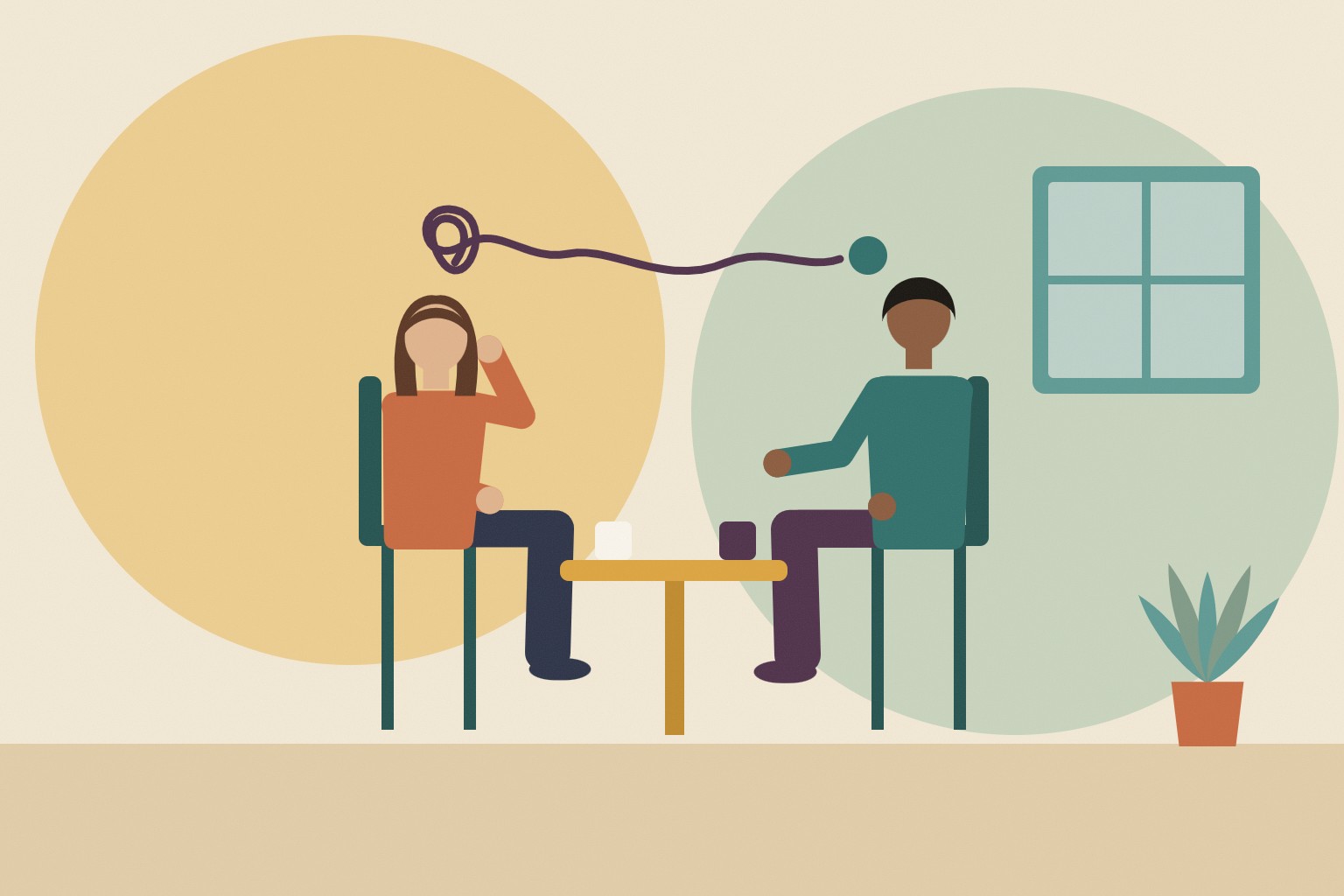
Mental health awareness at work helps managers spot early signs of stress and poor mental health, start supportive conversations and reduce the workplace pressures that make people unwell. Managers do not need to be experts. They need to notice, ask, listen and know where to point people for help.
In care, education and other people-facing roles, staff often absorb other people's distress as part of the job. Without the right support, that pressure builds up quietly until someone goes off sick or leaves.
This guide covers what the law expects, the warning signs, how to have a supportive conversation and the help available in Wales.
Please note: This article provides general information, not medical, legal or HR advice. Follow your organisation's policies and seek occupational health or professional advice for individual cases. The scenario is a fictional learning example.
Why it matters
Work-related stress, depression and anxiety are now the biggest cause of work-related ill health in Great Britain. HSE figures for 2024/25 show:
- 964,000 workers reported stress, depression or anxiety caused or made worse by work
- these conditions made up 52% of all work-related ill health
- 22.1 million working days were lost as a result
Behind each number is a person, a team covering their shifts and, in care and education, people whose support is disrupted.
What does the law expect?
The Health and Safety at Work etc. Act 1974 covers mental as well as physical health. Under the Management of Health and Safety at Work Regulations 1999, employers must assess risks to health, including work-related stress, and act on what they find. HSE is clear that employers have a legal duty to protect workers from stress at work by doing a risk assessment and acting on it.
HSE's Management Standards help employers do this. They focus on six areas of work that can cause stress if they are not managed well:
- Demands: workload, work patterns and the working environment
- Control: how much say people have in the way they work
- Support: encouragement and resources from managers and colleagues
- Relationships: avoiding conflict and dealing with unacceptable behaviour
- Role: whether people understand their role and avoid conflicting demands
- Change: how organisational change is managed and communicated
A mental health condition may also be a disability under the Equality Act 2010 if it has a substantial and long-term effect on day-to-day activities. Employers then have a duty to make reasonable adjustments.
Signs someone may be struggling
Everyone is different, and some people hide it well. Look for changes from what is normal for that person:
- Lateness, more sickness absence or working much longer hours
- Irritability, tearfulness or withdrawing from the team
- Difficulty concentrating, making decisions or remembering things
- Tiredness, poor sleep or changes in appetite
- Increased conflict with colleagues or the people they support
- Loss of confidence or talk of feeling unable to cope
Team-level signs matter too. Rising sickness, high turnover, more complaints and more incidents can all point to pressures that need addressing.
How to start a supportive conversation
1. Choose the right time and place
Find somewhere private and allow enough time. Avoid starting the conversation in a corridor or at the end of a difficult shift.
2. Say what you have noticed
Be specific and kind: “You've seemed quieter than usual over the last couple of weeks. How are things?”
3. Listen more than you talk
Use open questions and give them space. Avoid jumping to solutions or comparing their situation with your own.
4. Do not diagnose
Your role is to support, not to label. Focus on how they are feeling and what is affecting them.
5. Ask what would help
People often know what would make a difference, such as a change to their shifts, more supervision or time to attend appointments.
6. Agree next steps and follow up
Agree what you will each do, be clear about confidentiality and book a time to check in again.
Practical support managers can offer
- Temporary changes to workload, duties or shift patterns
- Regular supervision and one-to-one time
- A referral to occupational health
- Access to an employee assistance programme, if you have one
- A wellness action plan agreed with the person
- A phased return to work after absence
- Reviewing the risk assessment if work is a factor
After a difficult or violent incident, a timely debrief and the chance to talk can prevent longer-term harm. Our guide to de-escalation techniques in care settings covers what should happen after an incident.
If someone is in crisis
If a colleague tells you they are thinking about ending their life, or you are worried for their immediate safety, stay with them and get help. Call 999 if there is an immediate risk.
- NHS 111 press 2: urgent mental health support in Wales, 24 hours a day
- CALL Mental Health Helpline for Wales: 24-hour listening line on 0800 132 737
- Samaritans: free, 24 hours a day, on 116 123
Example: a team leader notices a change
The situation: A team leader in a supported living service notices that an experienced support worker has been late three times in a fortnight and snapped at a colleague. The service has had several difficult incidents in recent weeks.
A useful response: She books a private catch-up and says: “I've noticed things seem harder for you lately, and it's been a tough few weeks here. How are you doing?”
The support worker says she is not sleeping since an incident and dreads certain shifts. The team leader listens, agrees a temporary rota change and a referral to occupational health, and shares details of the employee assistance programme. She also asks the manager to review the incident debrief process and books a follow-up for the next week.
Frequently asked questions
Do managers need to be mental health experts?
No. Managers need to recognise changes, have supportive conversations and know where to signpost. Specialist assessment and treatment are for health professionals.
Is work-related stress a legal issue?
Yes. Employers must assess the risk of work-related stress and act to reduce it, in the same way as other health and safety risks.
What if the cause is outside work?
Support still matters. Personal pressures can affect work, and small adjustments can help someone stay well and stay in work.
What should mental health awareness training cover?
Common mental health conditions, warning signs, how to start a conversation, the legal duties around stress, supporting someone back to work and looking after your own well-being.
Build a team that feels able to speak up
When managers notice, ask and act, people are more likely to raise concerns early, before stress turns into absence. That protects staff and the quality of the service they provide.
SLC Training delivers Mental Health Awareness and Leadership & Management training for organisations in any industry across South Wales. Contact SLC Training to discuss training for your team.